

Case Study
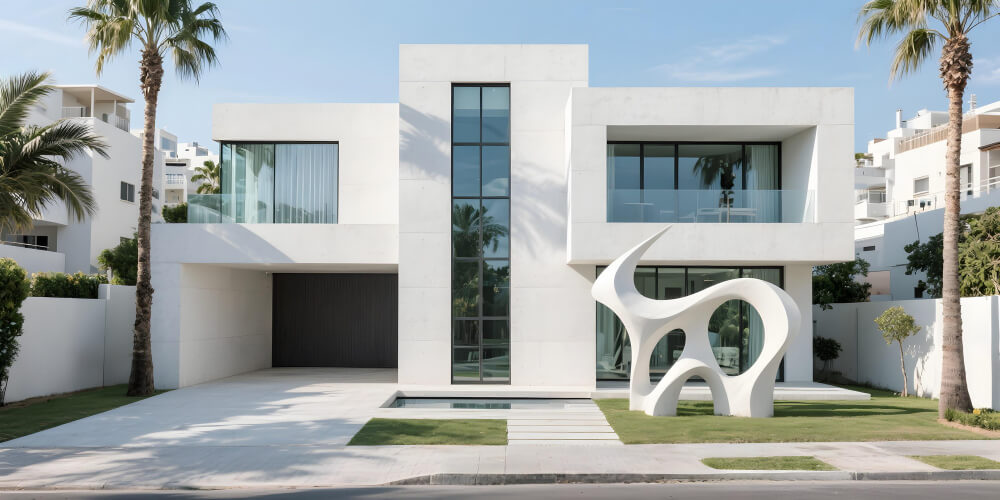
A leading exterior design studio based in Berlin approached Virletic with the goal of accelerating its design workflows and improving the quality of visualizations delivered to clients. The company specialized in architectural exteriors, landscape concepts, urban development projects, and high-end property visualizations.
As project complexity increased, the studio faced challenges related to rendering times, design simulations, data processing, and the growing demand for AI-powered design capabilities. The client sought a scalable AI supercomputing solution that would enable faster project delivery, support advanced design modeling, and improve overall operational efficiency.
Steps Taken by Virletic
- Conducted a comprehensive assessment of the studio’s existing infrastructure, workflows, and computational requirements;
- Identified bottlenecks in rendering, visualization, and design simulation processes;
- Designed an AI supercomputing architecture tailored to the client’s workload demands;
- Implemented high-performance computing resources optimized for AI-driven design operations;
- Integrated advanced AI algorithms for image generation, design optimization, and predictive modeling;
- Developed automated workflows for rendering and visualization tasks;
- Optimized data storage and processing environments for large design files and project datasets;
- Integrated cloud-based computing resources to provide additional scalability during peak workloads;
- Established security protocols and access management policies for project data protection;
- Conducted system testing, performance tuning, and user training for design teams;
- Provided ongoing technical support and optimization recommendations.
The implementation enabled the studio to significantly accelerate rendering and visualization processes while improving the quality of design outputs. Thanks to the new infrastructure, the client achieved faster project turnaround times, improved computational performance, and greater flexibility when managing complex architectural and landscape projects.
In addition, AI-powered capabilities helped designers generate concepts more efficiently and evaluate multiple design alternatives in less time. The studio benefited from higher operational efficiency, enhanced client presentations, and a scalable technology environment capable of supporting future innovation and business growth.